How to Prevent A Heart Attack
How to Plan Not to Have a Heart Attack
A heart attack is the No. 1 killer for men and women. In the United States, 50% of heart disease victims learned about their illness by experiencing a fatal heart attack.
What is a Heart Attack, Why You May Have Another One?
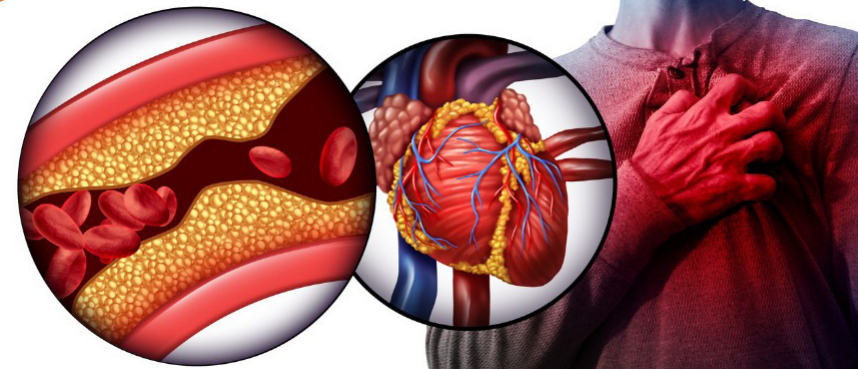
According to Mayo Clinic, A heart attack occurs when the flow of blood to the heart is blocked. The blockage is most often a buildup of fat, cholesterol,
calcium, and other substances, which forms a plaque in the arteries that feed the heart (coronary arteries); narrowing of the blood vessels possibly causing spasms or occlusions as a result of stress, emotional stimuli, cold temperature or dislodgement of the plaque. The narrowing is usually seen in multiple areas of the coronary artery from heart imaging, so it is very common to see more heart attacks following the initial one.
The broken-off plaque might lodge in the lung causing pulmonary emboli or in the brain to causing a stroke, both cases might be life-threatening or result in a
major disability.
The most common heart attack symptoms
- pressure, fullness, squeezing pain in the center of the chest, or pain radiating to the left shoulder, neck, or arms.
The most common heart attack symptoms
- unusual chest pain, stomach or abdominal pain, dizziness or nausea with or without chest pain, shortness of breath and difficulty in breathing,
intense sweating, and general weakness.
How to Know if the Biggest Killer is Lurking Inside You?
The following are Heart Disease partners: High Cholesterol, High Blood Pressure, Diabetes, being Overweight, Insulin Resistance, or having chronic
inflammation.
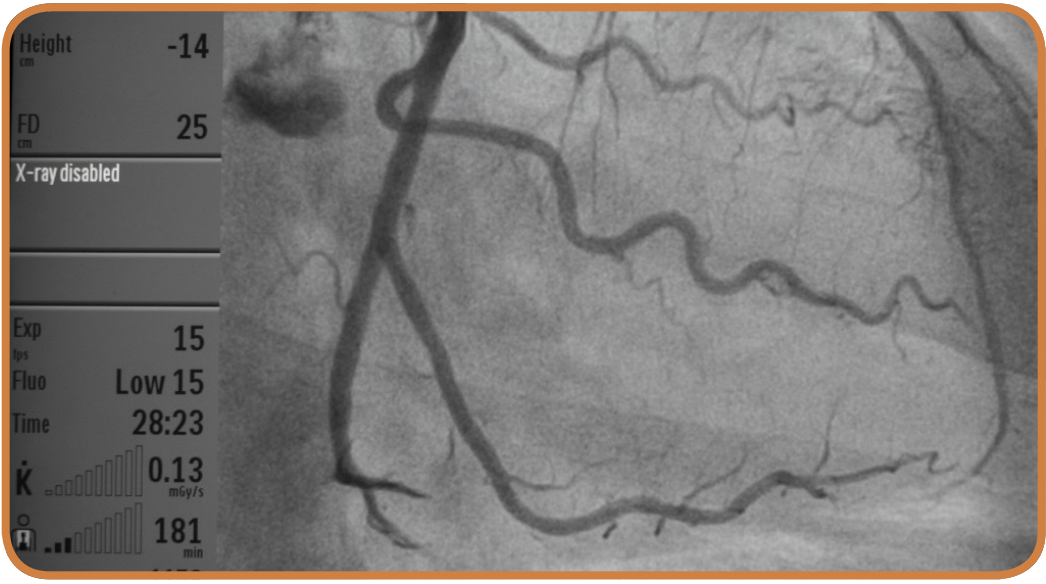
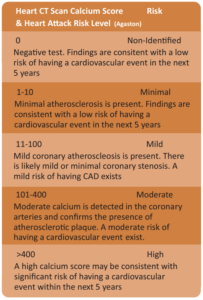
You may find out if the killer is lurking inside you through your doctor’s visit, with medical history intake, Physical Exam, Exercise stress test, heart echocardiogram, coronary artery angiogram, Nuclear Stress Test, CT of the Heart Scan, and/or Calcium Score Report.
The last two are the most important tests to find out your exact risk and location of a possible heart attack, but unfortunately, not all cardiologists dig deep enough to even order these tests, most of the time they will stop at exercise stress testing. Traditional medical evaluations for assessment of heart disease are often just highly educated guesswork. Cardiologists admit you can pass a stress test one week and die the next.
 How the Vulnerable Plaque Breaks Of
Under mechanical forces such as a sudden increase in blood pressure, pulse rate, or erratic heartbeat (A-fibor arrhythmia), the plaque may rupture or break off to flow freely in the circulating system until it is stopped by the next part of the narrowing blood vessel.
What Will the Doctor Do About It?
The nearly occluded vessels need stenting or surgery to restore the blood flow through the arteries. The following medical reports from leading journals report the pros and cons of stenting and angioplasty surgeries as follows: Angioplasty – 40% restenosis within 6 months, not reducing mortality and heart attacks; Stenting – 19% restenosis in 6 months, not improving survival; Bypass surgeries – Improving survival, but has a long list of possible complications; cholesterol medications – Slow, possibly minimal results, could include severe side effects associated with liver and kidney damage, the increased risk is associated with cancer and diabetes.
What weMED Will Do About It?
• Work with your cardiologist
• If you are on statins, we can talk about the alternatives.
• We recommend nutritional changes and adding natural supplements
• Stem Cells might help you improve your artery condition: It is possible that the trophic effects of mesenchymal stem cells (MSCs) could decrease the progression of peripheral artery disease (PAD). Multiple studies have already demonstrated the clinical improvements in an ankle-brachial index, transcutaneous partial pressure of oxygen, pain, and frequency of amputation achieved through administration of MSCs to patients
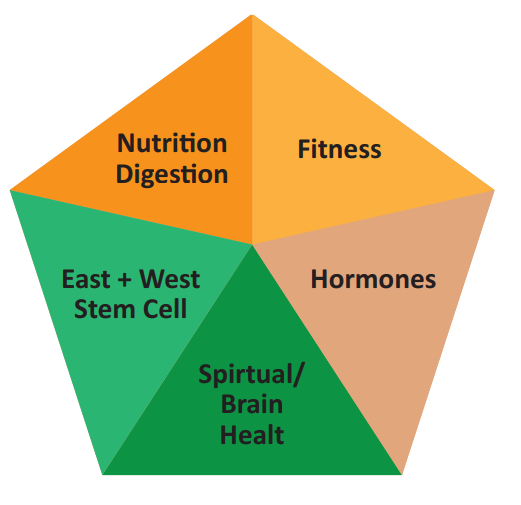
• We utilize 5 Pillars of Health:
-Nutrition
-Smart Fitness
-Balancing Hormones
-Brain Health
-Eastern + Western Medicine+ Cellular Therapy to reverse the plaque.
This Program is for You, If You:
• Have had a heart attack and would like to avoid another one.
• Come from a family with cardiac disease, family members that have had a heart attack prior to the age of 50
• Have hypertension, diabetes, are overweight, smoke, and have inflammation throughout, want to reduce your risk of a heart attack
• Have high cholesterol and are not sure about taking or having side effects of statins
• Just want to know what’s going on in your heart; are those pipes rusted or encrusted
Prevention is a Great Solution!
Call us and schedule your consultation appointment today. 713-572-3888

Talk to an integrative physician
First appointment within 48 hours. Telehealth or in person at any of our 3 Houston-area locations.
Book appointmentShare
Ready to Take the Next Step?
Request a consultation with weMED Clinics. Fill out the form and our team will get back to you shortly.